Coatings Industry

Coatings offer protective and functional layers used in industrial, automotive, construction, and specialized manufacturing environments. Key categories: Protective Coatings: anti-corrosion, marine coatings, heavy-duty applications Functional Coatings: anti-scratch, conductive, barrier coatings Powder Coatings: durable, solvent-free finishes for appliances, furniture, metal fabrications UV/EB Coatings: fast-curing systems for high-performance surfaces Typical performance goals: Mechanical durability Chemical and UV resistance Thermal stability Improved adhesion and surface smoothness

Read More

Paints Industry

Paints are formulated to provide aesthetic value and surface protection. They consist of key components such as binders, pigments, solvents, and additives. Key applications: Decorative & Architectural: wall finishes, interior–exterior coatings Industrial Paints: machinery, automotive parts, marine structures Specialty Paints: heat-resistant, anti-corrosion, fire-retardant coatings Performance attributes: Weatherability Color retention Surface adhesion Anti-corrosion capability

Read More

Leather Industry

Leather is a natural material produced through the tanning of animal hides or skins. It combines strength, flexibility, and a premium aesthetic, making it valuable across several industries. Primary applications include: Footwear – uppers, soles, insoles Fashion accessories – bags, wallets, belts Automotive interiors – steering wheels, seats, door trims Furniture upholstery – sofas, chairs, luxury seating Key chemical categories for leather processing: Tanning agents (chrome, vegetable, synthetic tanning materials) Fatliquors and softening agents Dyes and pigments Finishing resins, coatings, and protective additives

Read More

Feed Industry

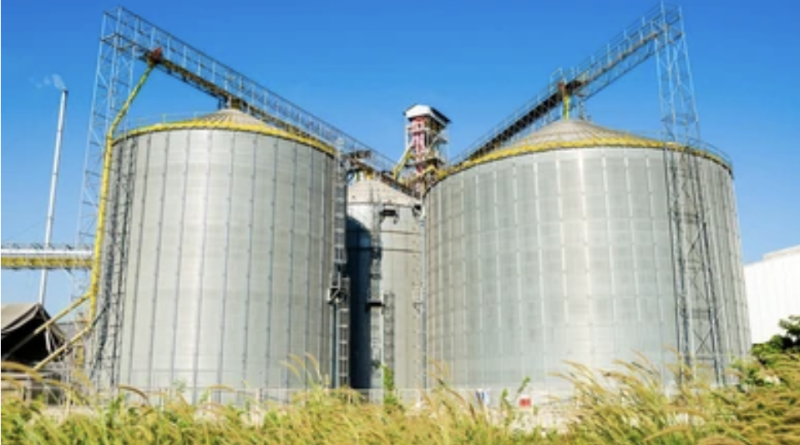
Feed refers to the sector that provides balanced nutrition for livestock such as poultry, cattle, sheep, aquaculture, and pet animals. a. Key Components of Feed Feed IngredientsCorn, soybean meal, wheat bran, molasses, fish meal, rice bran, and other base materials. Feed AdditivesEnhance growth, feed efficiency, and animal health: Vitamin & mineral premixes Enzymes (phytase, xylanase) Probiotics and prebiotics Amino acids (lysine, methionine) Growth promoters Pellet binders (bentonite, CMC) Mycotoxin binders Functional Feed Special formulated feed: Growth booster feed Immunity enhancer feed High-protein feed Stress-reduction feed b. Feed Manufacturing Process Milling Mixing Conditioning Pelleting Cooling Packaging

Read More

Agriculture Industry

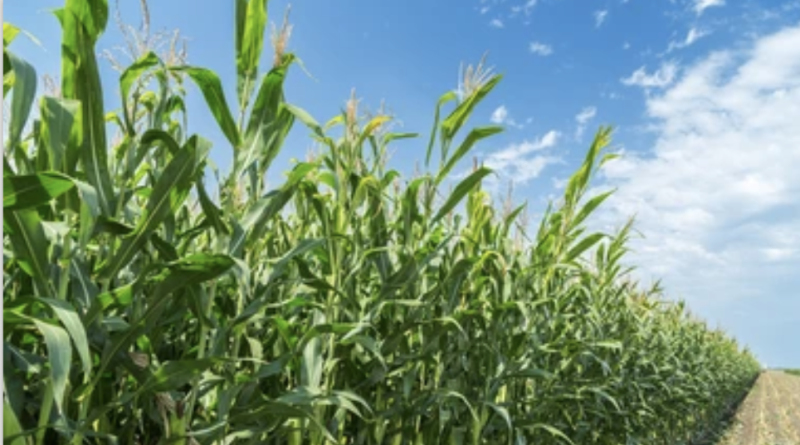
Agriculture encompasses all activities related to crop cultivation, soil management, nutrient application, irrigation, and crop protection. Its purpose is to ensure food production, supply raw materials, and support environmental sustainability. a. Key Components of Agriculture Soil ManagementIncludes soil preparation, pH balancing, soil conditioning, and improving soil structure using organic or chemical materials. Plant NutritionConsists of providing macro nutrients (NPK), micro nutrients (Zn, B, Cu), and biostimulants. Crop ProtectionCovers herbicides, fungicides, insecticides, and biological pest control products. Irrigation & Water ManagementUses drip irrigation, sprinklers, and smart irrigation technologies to optimize water use. Post-Harvest HandlingProcesses such as drying, storing, anti-caking, coating agents,

Read More