UV-Curable & EB-Curable Coatings

Energy-efficient curing technologies are gaining momentum. Benefits: Instant curing under UV or electron beam Reduced energy consumption Excellent chemical and abrasion resistance Minimal solvent emissions Applications: Printing inks Electronics coatings Flooring and industrial finishes

Read More

Waterborne & Bio-Based Coatings

Sustainability is a major driver in coating technology. Advancements: High-performance waterborne acrylics and polyurethanes Bio-based binders derived from plant oils and cellulose Low-VOC and zero-VOC formulations Improved drying time and adhesion performance Industries Impacted: Architectural coatings Furniture and wood coatings Consumer goods

Read More

Smart & Responsive Coatings

Smart coatings can react to environmental changes. Technologies Include: Self-healing polymers that repair micro-cracks Thermochromic and photochromic pigments Corrosion-sensing coatings with embedded indicators Antimicrobial coatings activated by moisture or light Use Cases: Infrastructure and bridges Medical devices Aerospace components

Read More

Nanotechnology-Based Coatings

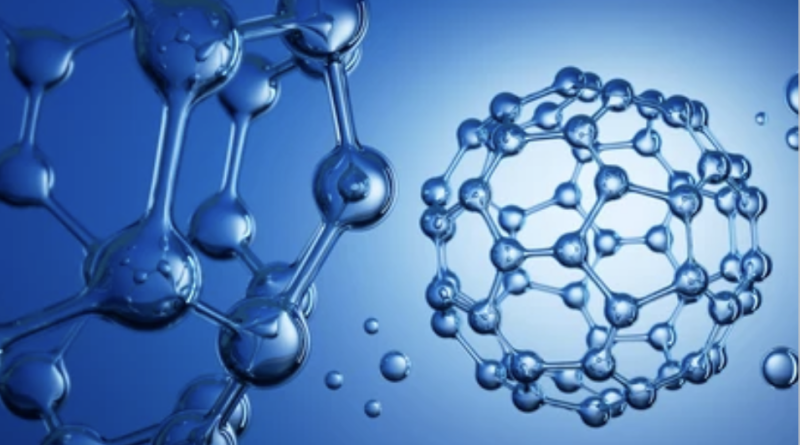
Nanomaterials are revolutionizing coating performance at the molecular level. Key Innovations: Nano-silica, nano-alumina, and graphene additives Improved scratch resistance and hardness Enhanced barrier properties against corrosion and moisture Self-cleaning and anti-fouling surfaces Applications: Automotive clear coats Marine and offshore coatings Electronics and high-performance packaging

Read More

New Innovations of Minerals in the Feed Industry

Minerals are essential nutrients in animal feed, playing a vital role in growth, immunity, reproduction, and metabolic regulation. Recent innovations in mineral nutrition aim to improve bioavailability, gut health, environmental sustainability, and feed efficiency, while reducing mineral waste and environmental impact. 1. Organic Trace Minerals (Chelated Minerals) Innovation Overview Organic or chelated minerals are trace elements (Zn, Cu, Mn, Fe, Se) bound to organic molecules such as: Amino acids Peptides Proteinates Advantages Higher bioavailability than inorganic salts Improved absorption in the intestine Lower mineral excretion into the environment Enhanced immune response and growth performance Applications Poultry Swine Dairy and beef

Read More

The Role of Vitamins in The Animal Feed Industry

The role of vitamins in the animal feed industry is essential, as vitamins act as critical micronutrients that support animal health, growth, reproduction, and overall productivity. In modern livestock production systems, vitamins are routinely added to feed in the form of vitamin premixes to ensure consistent nutritional intake. Below is a comprehensive explanation: 1. General Functions of Vitamins in Animal Feed Vitamins do not provide energy or structural nutrients, but they function as metabolic regulators. Their main roles include: Activating metabolic enzymes Supporting hormone synthesis Strengthening the immune system Regulating growth and reproduction Protecting cells from oxidative damage Vitamin deficiencies

Read More

Feed Enzymes Market Overview in 2026

Market Size & Growth Projections The global feed enzymes market is expected to grow from around USD 1.54 billion in 2025 to approximately USD 1.59 billion in 2026, reflecting continued adoption in livestock feed formulations. Some industry projections estimate broader market growth in the mid‐term (2025–2032), showing expansion toward approximately USD 2.0 billion and beyond by 2030–2035, though estimates vary by research provider. CAGR: Across different forecast horizons, growth rates for the feed enzymes segment range from a ~3.5% to 5% CAGR depending on the report and base period used. Key Market Drivers Demand for Efficient Animal Nutrition Feed enzymes

Read More

Feed Additives

The feed industry plays a central role in global agriculture and food production. It supplies nutritionally balanced feedto livestock, poultry, aquaculture, and companion animals, ensuring healthy growth, optimal productivity, and sustainable farming practices. The industry integrates raw material sourcing, nutrition science, processing technology, and quality control to deliver consistent, safe, and cost-efficient feed solutions. 1. Key Segments of the Feed Industry a. Livestock Feed Used for cattle, sheep, goats, buffalo, and other ruminants.Formulated to support: Milk production Meat growth Digestive health Reproductive performance b. Poultry Feed Covers broilers, layers, breeders, ducks, and turkeys.Focuses on: Fast growth rate Egg production Immune

Read More

Animal Care

Animal care focuses on the health, well-being, hygiene, comfort, and productivity of livestock and pets. a. Key Components of Animal Care Animal HealthIncludes: Vaccines Antibiotics (carefully regulated) Vitamins & minerals Dewormers Animal HygieneProducts such as: Disinfectants (BKC, Glutaraldehyde) Sanitizers Odor control chemicals Fly repellents Animal Comfort Includes bedding materials, cooling systems, shelter design, and stress-management tools. Veterinary Products Wound treatments Nutritional supplements Oral hydration solutions b. Global Trends in Animal Care Probiotics replacing antibiotics Natural essential-oil-based sanitizers High-performance disinfectants Digital livestock monitoring (RFID, sensors)

Read More